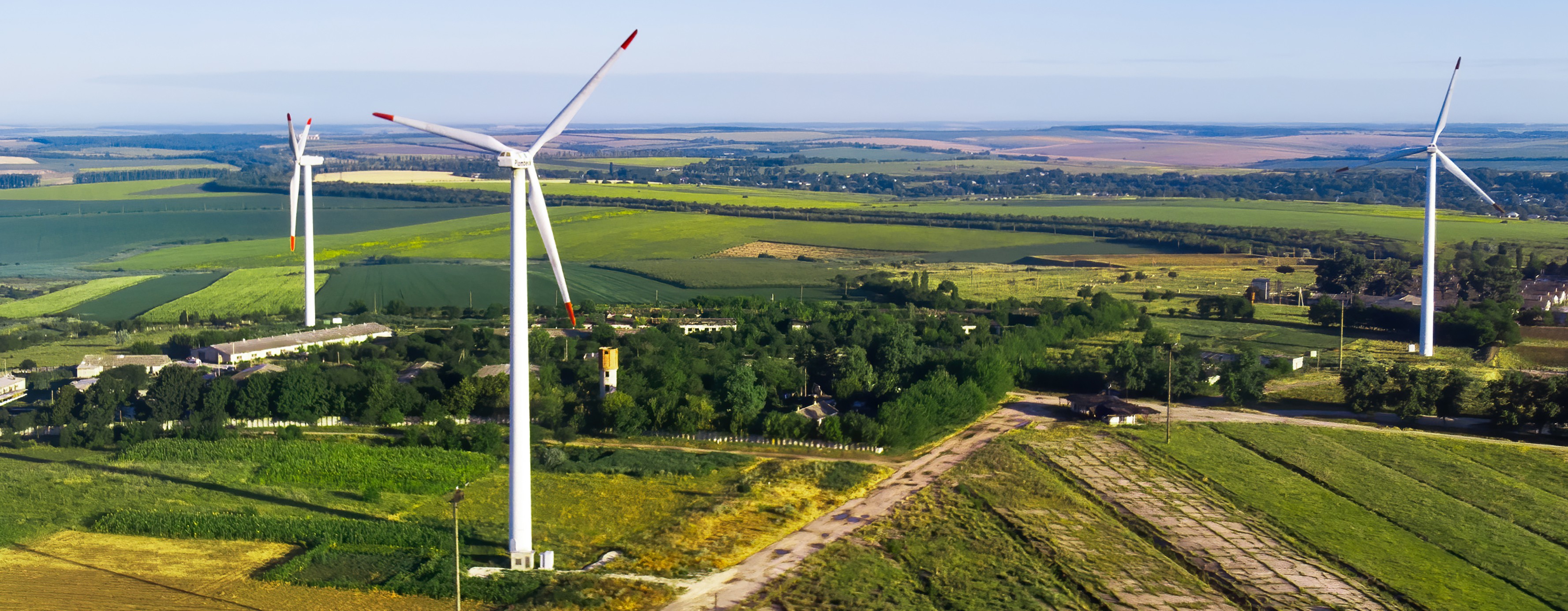
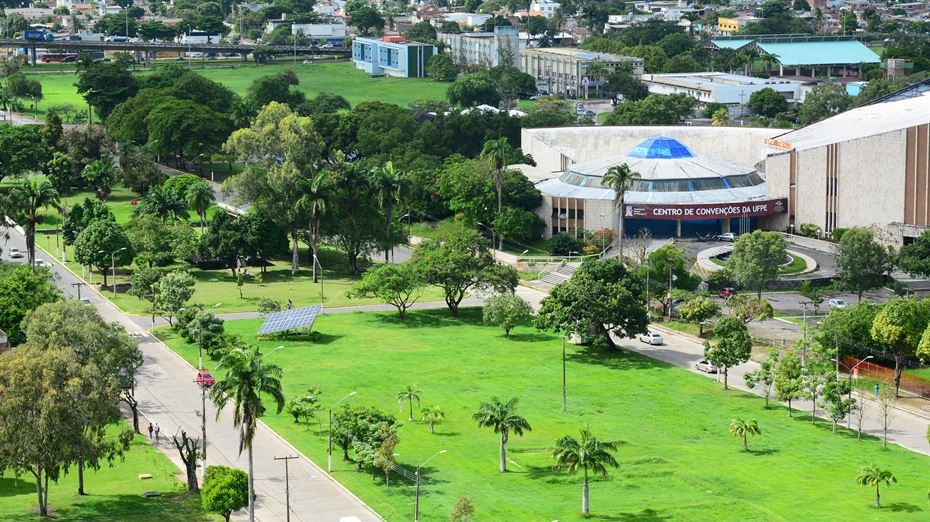
CER-UFPE is one of Brazil's most important centers for renewable energy. This interdepartmental research center develops projects in Solar and Wind Energy, with participation from Brazilian and foreign public and private entities, including universities, research centers, and power companies. The center was created from the integration between two groups at UFPE that are a fundamental part of the history of Solar and Wind in Brazil: the Research Group on Alternative Energy Sources (FAE Group), founded in the late 1970s, and the former Brazilian Wind Energy Center (CBEE), founded in the early 1990s.
Inauguration of the solar energy testing area on the UFPE campus in Recife, Pernambuco.
UFPE installed the first large commercial wind turbine in Brazil (Fernando de Noronha, Pernambuco).
The first testing area for large wind turbines in Brazil (Olinda, Pernambuco).
The first Brazilian solarimetric atlas (with the support of CRESESB CEPEL ELETROBRAS).
The first Brazilian guide for connecting large wind turbines to the power grid (with the support of the World Wind Energy Association - WWEA).
Refounding of the Brazilian Solar Energy Association (ABENS).
The most important outdoor testing area for photovoltaic systems in Brazil (CRESP, with funding from ELETROBRAS CHESF, in Petrolina, Pernambuco).
Research and development within the scope of the project through which was the first large-scale photovoltaic plant installed in a hydroelectric lake in Brazil (with funding from ELETROBRAS CHESF, in Sobradinho, Bahia).
Development of the most daring operational computational tool for power performance and predictive maintenance of wind turbines (with funding from CPFL, covering the company's entire fleet of wind turbines in Brazil).
In April 2013, CER-UFPE began joint Solar and Wind Energy activities, which are areas in which UFPE occupies a prominent position on the national scene in research, development, and innovation. Currently, CER-UFPE has Ph.D. researchers and students (doctoral students, masters students, and undergraduates) linked to different departments, among which the following stand out: the Department of Nuclear Energy, Oceanography, Electrical Engineering, Mechanical Engineering, and the Science Computing Center. Among the main current lines of CER-UFPE in research, development, and Innovation, the following stand out currently:
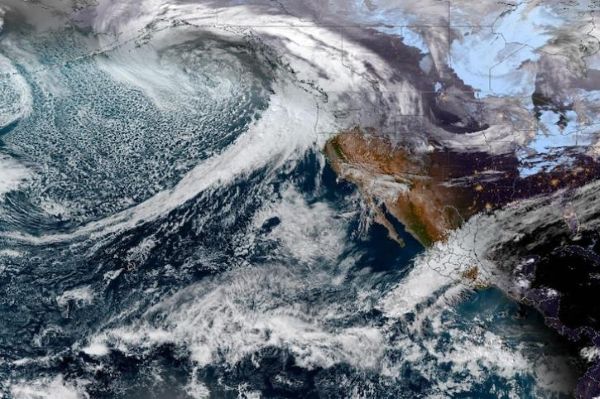
Atmospheric modeling based on Artificial Intelligence, physical-numerical simulation and satellite images applied to solar and wind resources assessment as well as forecasting (on different time scales) and climate projections with an emphasis on risk and wind-solar complementarity.
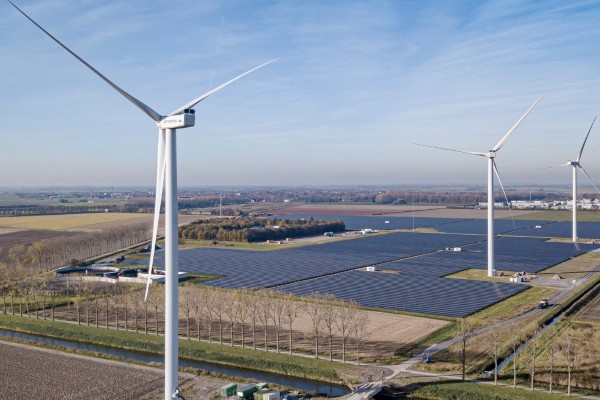
Techniques for detecting and diagnosing faults during the operation of photovoltaic systems and wind farms, as well as the prognosis of remaining useful life (RUL) and the development of non-trivial solutions for automatic monitoring of wind turbine generators and photovoltaic systems.

Development of modular high-performance computational tools with embedded scientific-technological innovations to provide solutions to the demands of the Electrical Sector regarding the operation and maintenance of solar and wind power plants.
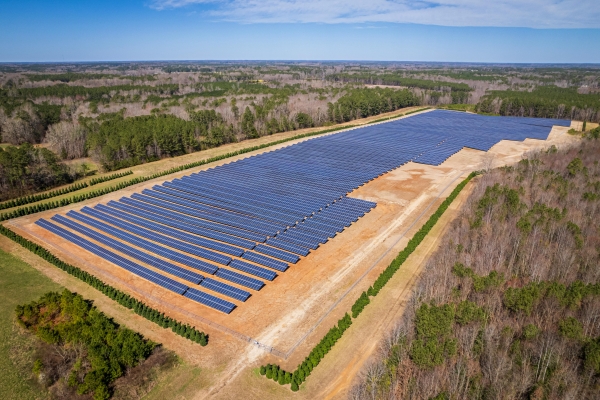
Techniques for analyzing different photovoltaic technologies and different topologies of photovoltaic systems in centralized and distributed generation.
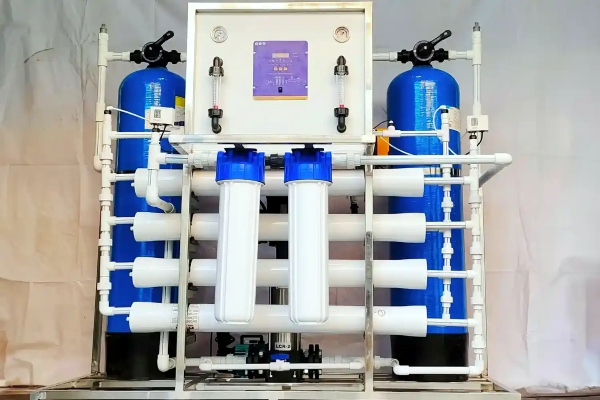
Water pumping and desalination based on reverse osmosis (RO) integrated with hybrid wind-solar PV plants and based on multi-effect distillation (MED) with solar thermal systems.
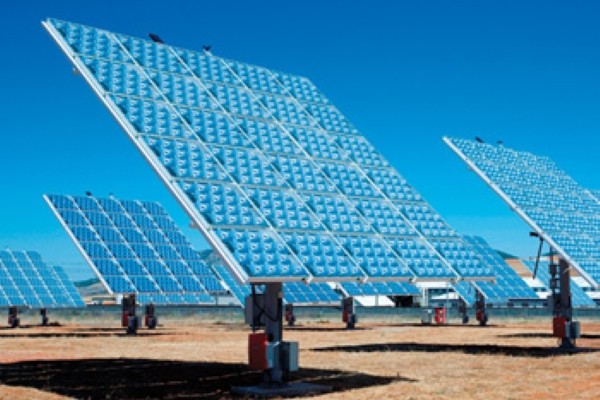
Development of high-precision optics for concentration in solar systems with emphasis on non-trivial solutions, such as aplanatic Fresnel applied to CSP.
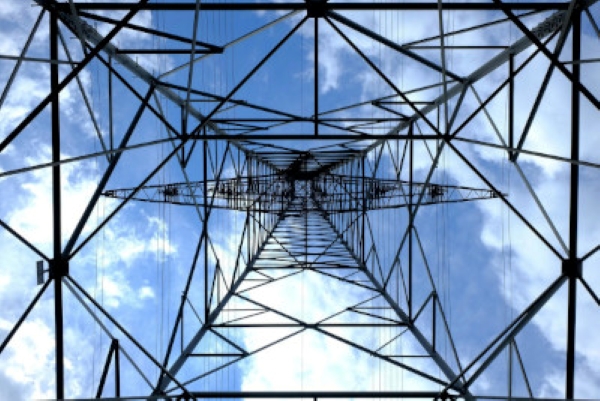
Performance analysis techniques for wind farms and photovoltaic systems in centralized and distributed generation.
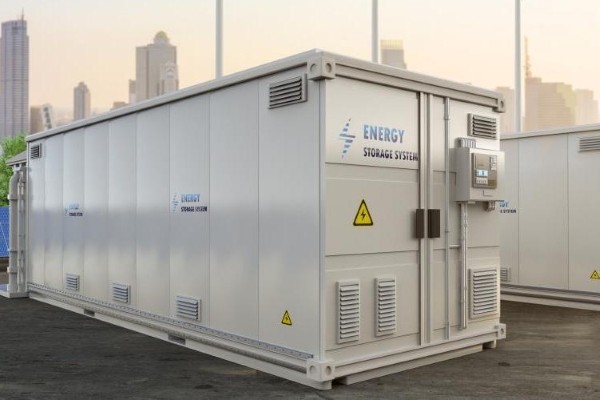
Battery energy storage systems for mitigation of curtailment, peak shaving, load management, ancillary sevices, off-grid applications etc.
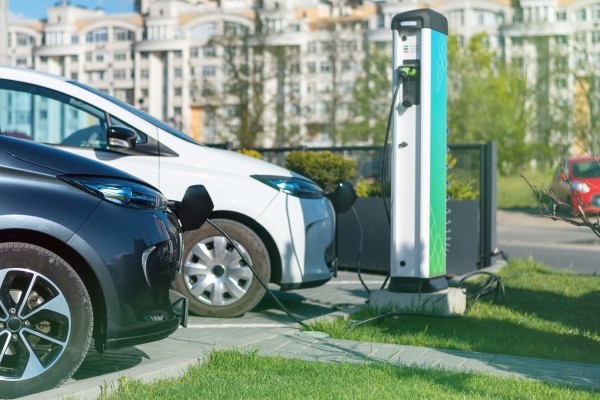
Support for high-power charging of electric vehicles, system optimization, and integration with intermittent renewable sources.